
How to Choose the Best Pool Deck Resurfacing Option for Chicago’s Weather

Why Pool Deck Resurfacing Matters in Chicago
A pool deck is more than decorative edging around your swimming area. It’s a structural surface that absorbs impact, endures constant moisture, and withstands dramatic temperature swings year-round. In a climate like Chicago’s, resurfacing isn’t an indulgence—it’s essential maintenance. When the wrong material meets Midwestern weather, even a flawless deck will begin showing cracks, discoloration, and erosion. Resurfacing restores structural integrity while creating a protective barrier designed specifically for the elements.
What Makes Chicago’s Climate Unique
Chicago’s climate is a paradox—frigid, punishing winters collide with hot, sun-drenched summers. The city sees brutal freeze–thaw cycles, high humidity, powerful lake-effect winds, and storms that arrive with little warning. These conditions place immense stress on concrete and outdoor coatings. Materials that perform well in stable, warm climates often buckle when exposed to Chicago’s yearly climatic whiplash. Choosing a resurfacing system that thrives under these extremes is crucial for longevity and safety.
Understanding Pool Deck Resurfacing
What Resurfacing Actually Does
Pool deck resurfacing strengthens and revitalizes the existing surface without requiring demolition. A new coating or overlay is applied over the old concrete, binding to the substrate and creating a smoother, stronger, more weather-resistant surface. The improved finish prevents moisture penetration, enhances traction, and increases durability. Instead of replacing the entire slab—a costly and time-consuming undertaking—homeowners can achieve a like-new deck with modern resurfacing techniques.
Signs Your Pool Deck Needs Attention
Many signs of deterioration begin subtly. Small cracks can seem harmless at first but expand exponentially when filled with water that later freezes. Spalling—where the concrete surface flakes or pits—indicates moisture has compromised the upper layer. Discoloration may suggest UV wear or chemical imbalance. Slippery areas become dangerous and hint that texture or topcoat protection has faded. Pooling water or uneven drainage typically means the surface has warped over time. Addressing these symptoms early prevents extensive damage later.
Climate Challenges That Impact Pool Decks
Freeze–Thaw Cycles
Few forces are as destructive to concrete as Chicago’s relentless freeze–thaw cycles. When water seeps into pores or micro-cracks, it expands by nearly 10 percent as it freezes. This expansion acts like a wedge, pushing concrete apart and widening cracks each time the temperature fluctuates above and below freezing. A resurfacing material must remain flexible enough to absorb this movement without cracking or delaminating.
Intense UV Exposure in Summer
Midwestern summers may feel short, but they deliver intense UV radiation. Sunlight not only heats the surface but breaks down coatings that aren’t UV stable. Fading, yellowing, and chalking occur when inferior resurfacers face prolonged sun exposure. A suitable pool deck system must include UV inhibitors or be inherently resistant to photodegradation.
Moisture Intrusion and Surface Erosion
Between summer humidity, rainstorms, irrigation runoff, and chlorinated water splashing continuously, the deck is in a constant battle with moisture. If the surface isn’t sealed and impermeable, water will infiltrate and begin degrading the concrete. Moisture weakens the surface, causing erosion that grows worse as seasons shift.
Popular Pool Deck Resurfacing Materials
Epoxy Coatings
Epoxy remains a popular choice for pool deck resurfacing due to its excellent adhesion and toughness. It forms a dense, resilient shell that resists chemicals, abrasion, and heavy foot traffic. Epoxy coatings are ideal for indoor areas or shaded outdoor spaces, but they require UV-stable topcoats to prevent degradation under direct sunlight. When paired with the right finish, epoxy creates a sleek, modern appearance that is both functional and visually appealing.
Polyaspartic Coatings
Polyaspartic coatings offer exceptional performance in climates like Chicago. They cure rapidly—even in variable temperatures—and resist UV fading, chemicals, abrasions, and impact. Polyaspartic systems maintain elasticity, allowing them to adapt to temperature-induced expansion and contraction without cracking. Their fast installation time and long-term durability make them one of the leading choices for outdoor pool deck resurfacing in the Midwest.
Concrete Overlays
A decorative concrete overlay provides both structural reinforcement and aesthetic transformation. These overlays can recreate the look of stone, slate, tile, or custom textures. Because they are cement-based, overlays bond exceptionally well to existing concrete and add thickness to correct minor unevenness. When sealed, overlays resist water, chemical exposure, and seasonal wear.
Stamped & Textured Finishes
Textured or stamped finishes enhance traction while delivering visually striking designs. Patterns such as cobblestone, pavers, flagstone, and even wood planking offer a high-end appearance. When combined with concrete stains or colorants, stamped overlays create a tailored pool deck without the high maintenance demands of natural materials.
Choosing the Best Material for Chicago Homes
Slip Resistance and Safety
Slip resistance should be non-negotiable for any pool deck. Water, sunscreen, rain, and snowmelt create slick surfaces that can lead to accidents. Textured overlays, grip additives, and flake systems dramatically improve traction. The best resurfacing materials balance aesthetics with safety, ensuring the deck remains slip-resistant in all seasons.
Heat Reflectivity and Comfort
Surface temperature matters. Bare concrete can reach scorching temperatures in July, making it uncomfortable to walk on. Light-colored or reflective coatings help minimize heat absorption. Polyaspartic and acrylic-based systems often outperform raw concrete in heat reflectivity, reducing the risk of burned feet during mid-summer heat waves.
Durability Under Temperature Swings
Material elasticity determines how well a resurfacer can endure Chicago’s abrupt changes in temperature. Coatings that become brittle in cold weather will crack. Systems like polyaspartic maintain flexibility, allowing them to stretch microscopically instead of fracturing during expansion or contraction cycles.
Epoxy vs. Polyaspartic: What Works Best in Chicago?
Cure Times and Weather Windows
Epoxy coatings have strict temperature and humidity requirements for proper curing. Cold weather and fluctuating conditions significantly limit installation windows. Polyaspartic, however, cures rapidly in a wide temperature range—often within hours—making it feasible to install during more months of the year.
UV Stability and Color Retention
Epoxy must be paired with a UV-resistant topcoat to avoid discoloration or chalking. Polyaspartic coatings are naturally UV stable, preserving their color and gloss even under intense sunlight. For outdoor pool decks exposed to direct sun, polyaspartic offers greater long-term aesthetic stability.
Impact and Chemical Resistance
Pool areas are exposed to chemicals—chlorine, stabilizers, salts, and cleaning agents. Polyaspartic withstands these substances far better than standard epoxy. It also resists impact from dropped objects like pool toys, furniture, and equipment, making it an ideal long-term solution.
Decorative Options for a Custom Pool Deck
Flake Designs
Flake systems scatter vinyl or acrylic chips over the coating, creating a colorful, multi-dimensional finish. The surface feels textured, adds slip resistance, and hides imperfections in the underlying concrete. Flake blends can be customized to match stone, granite, or speckled terrazzo effects.
Quartz Sand Additives
Quartz additives offer superior traction with a refined, shimmering texture. They’re perfect for homeowners wanting a durable, high-grip surface without a heavy flake appearance. Quartz systems combine beauty with high performance, ideal for high-traffic decks.
Faux Stone and Wood Aesthetics
Concrete overlays can be stained, stamped, or textured to imitate natural materials. Faux stone designs provide luxurious appeal without the fragility or maintenance associated with real stone. Wood-look patterns offer the warm appearance of planks without rot, warping, or splintering.
Cost Considerations
Factors That Influence Pricing
Several elements determine the total investment for resurfacing:
- Surface condition – cracks, pitting, or old coatings require preparation
- Material selection – polyaspartic and decorative overlays cost more
- Square footage – larger decks require more product and labor
- Design complexity – patterns and multi-layer systems increase cost
Despite differences in upfront pricing, higher-grade materials often provide better long-term value.
Long-Term Value vs. Initial Expense
Lower-cost resurfacing systems deteriorate faster under Chicago’s climate. Homeowners may find themselves resurfacing again within a few years. Premium systems like polyaspartic provide extensive durability, reducing maintenance and extending the replacement cycle significantly. Over time, they cost less than repeating budget-friendly installations.
Hiring a Professional vs. DIY
Why Chicago’s Weather Makes DIY Risky
DIY resurfacing may seem straightforward, but Chicago’s volatile climate introduces complications. Materials must cure under precise temperature and humidity conditions. Missteps in preparation or mixing can lead to bubbling, delamination, or uneven surfaces. A failed DIY attempt usually costs far more to correct than hiring a professional from the start.
What a Professional Evaluation Includes
A professional contractor conducts a detailed assessment of the concrete substrate, moisture levels, drainage, structural stability, and environmental factors. They recommend the ideal resurfacing system based on deck condition and climate demands. Their expertise ensures the coating bonds correctly and performs reliably for years.
How Long Resurfacing Takes
Seasonal Scheduling
Chicago’s spring and early fall offer ideal temperatures for resurfacing. However, polyaspartic systems reduce seasonal limitations by curing effectively in cooler or warmer conditions. Homeowners often appreciate the flexibility to complete the project outside peak summer months.
Cure Time Expectations
Epoxy systems can require several days before the deck is usable. Polyaspartic coatings, in contrast, cure rapidly—allowing foot traffic within hours and full use shortly afterward. This accelerated timeline minimizes downtime during peak pool season.
Maintenance Tips to Prolong the Life of Your Pool Deck
Cleaning Practices
Regular cleaning prevents buildup of dirt, algae, and chemical residue. A gentle detergent, soft bristle brush, and occasional hose rinse maintain the deck’s appearance. Abrasive tools or harsh solvents should be avoided.
Seasonal Protective Measures
Before winter, ensure surface cracks are sealed and debris is cleared to prevent freeze-related damage. Reapply sealants as recommended, especially for overlays or epoxy systems. During summer, maintaining proper chemical balance in the pool prevents splash-out water from causing surface discoloration.
Making a Climate-Smart Choice
Selecting the best resurfacing system for a Chicago pool deck means choosing materials that tolerate temperature swings, repel moisture, resist UV rays, and maintain traction. Not all coatings can endure Chicago’s unpredictable climate, but high-performance solutions like polyaspartic excel.
Ensuring Long-Term Performance
By choosing a material engineered for durability, applying it during optimal weather conditions, and maintaining it seasonally, homeowners ensure their pool deck remains beautiful, safe, and resilient for many years. A climate-smart resurfacing choice provides peace of mind and elevates the entire outdoor environment—regardless of what Chicago weather brings.

Why Basement Epoxy Flooring Is the Ultimate Finished Basement Choice
The Modern Finished Basement Trend Finished basements have become essential living extensions of the home. No longer dark, unused storage zones, they now serve as entertainment spaces, gyms, guest suites, studios, and recreational hubs. As basements evolve into...

Transform Your Garage with Premium Epoxy Floor Coatings
Why Garages Deserve Better Flooring The garage has evolved from a simple storage space into a multifunctional environment. Today, it serves as a workshop, gym, hobby studio, and even an extension of the home's entryway. Yet many garages still rely on bare concrete...

Why Concrete Polishing Is the Smart Choice for Long-Lasting Floors
The Growing Demand for Polished Concrete Floors Across residential, commercial, and industrial environments, polished concrete has surged in popularity. Homeowners and facility operators increasingly value surfaces that endure heavy use without losing their visual...

Metallic Epoxy Flooring in Naperville: Stunning Designs & Durable Solutions for Modern Homes
The Rise of Metallic Epoxy Flooring in Naperville Naperville homeowners are increasingly turning to metallic epoxy flooring to elevate the visual and functional appeal of their modern living spaces. This flooring style brings together high-end design aesthetics and...
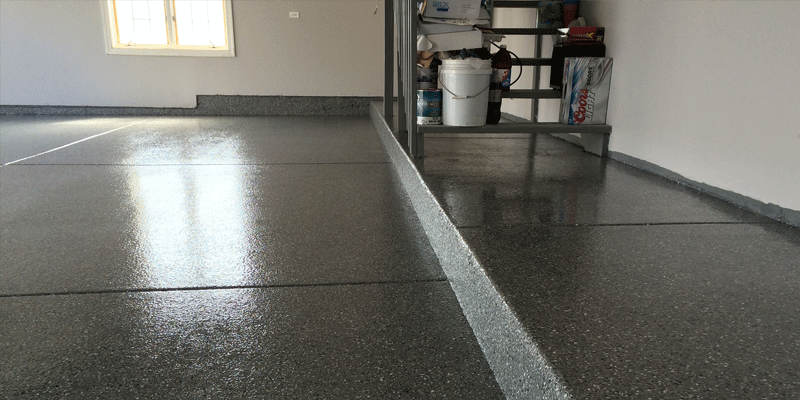
10 Reasons to Choose a Concrete Micro Topping in 2023
Are your concrete floors starting to show their age? If so, you may want to consider a concrete micro topping in 2023. Concrete micro toppings are thin coatings specifically designed to provide an aesthetically pleasing finish and help protect the underlying concrete...