
Why Basement Epoxy Flooring Is the Ultimate Finished Basement Choice

The Modern Finished Basement Trend
Finished basements have become essential living extensions of the home. No longer dark, unused storage zones, they now serve as entertainment spaces, gyms, guest suites, studios, and recreational hubs. As basements evolve into livable environments, choosing the right flooring becomes a pivotal decision that shapes both comfort and functionality.
Why Flooring Matters More Than Homeowners Realize
Basements present unique challenges. Moisture, temperature variation, concrete imperfections, and below-grade conditions demand flooring that performs under pressure. A finished basement is only as reliable as the surface beneath your feet. Epoxy flooring meets these demands with unmatched strength, beauty, and resilience.
What Is Basement Epoxy Flooring?
The Composition of Epoxy Systems
Epoxy flooring consists of a blend of resins and hardeners that chemically bond to form a dense, hardened material. This compound cures into a seamless surface, creating a protective shell over the concrete slab. Its thermoset structure gives epoxy its durability, clarity, and impressive load-bearing capacity.
How Epoxy Interacts with Concrete
Unlike surface-level coatings, epoxy fuses with the concrete itself. It penetrates pores and imperfections, locking into place to form a monolithic barrier. This integration prevents peeling, bubbling, and delamination, ensuring longevity even in humid or damp basement environments.
The Unique Advantages of Epoxy for Basements
Moisture Resistance and Vapor Blocking
Basements are notorious for moisture intrusion. Without proper protection, water vapor seeps through concrete slabs, leading to floor failure. Epoxy creates an impermeable layer that resists vapor transmission. This prevents bubbling, mold growth, and moisture-related damage—a crucial feature for below-grade spaces.
Mold, Mildew, and Allergen Prevention
Traditional flooring materials create perfect conditions for mold and bacteria to thrive. Epoxy, however, is seamless and non-porous. It leaves no crevices for allergens to hide. Its hygienic properties make it ideal for families seeking clean, low-maintenance living environments.
Structural Reinforcement for Concrete Slabs
Epoxy strengthens the underlying concrete. Once cured, the floor becomes more resistant to surface wear, impact, and cracking. This adds longevity to both the flooring system and the basement foundation.
Design and Aesthetic Versatility
Solid Colors for Clean, Modern Spaces
A simple solid-color epoxy floor provides a polished, minimalist aesthetic. It suits contemporary basements, home offices, and modern media rooms.
Flake Epoxy for Texture and Visual Depth
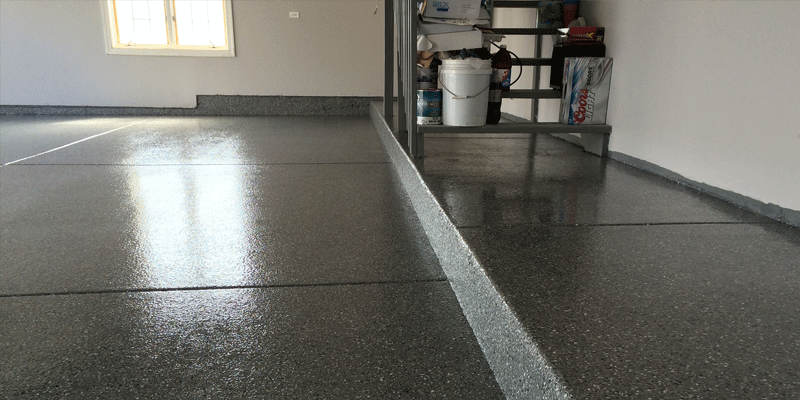
Flake systems incorporate vinyl chips or color flecks to create texture, disguise imperfections, and add character. These floors mimic granite and natural stone while offering exceptional durability.
Metallic Epoxy for High-End Luxury Effects
Metallic epoxy introduces movement and dimension. Swirling pigments create marbled, celestial, or liquid metal effects. This style transforms finished basements into breathtaking spaces that feel artistic and sophisticated.
Custom Patterns and Artistic Finishes
Epoxy’s versatility extends to custom designs such as geometric patterns, faux stone looks, and multi-tone blends—allowing homeowners to personalize their basement like never before.
Durability Benefits That Outperform Traditional Flooring
Impact and Abrasion Resistance
Basements often endure heavy furniture, weights, storage items, and constant foot traffic. Epoxy withstands impact without cracking or denting.
Resistance to Stains, Chemicals, and Spills
Basements used as hobby rooms, workshops, or play areas often face spills. Epoxy resists chemicals, water, oils, inks, and household cleaners, making cleanup effortless.
Longevity That Outlasts Carpeting, Vinyl, and Tile
While carpet frays, vinyl warps, and tile grout deteriorate, epoxy endures for decades. It delivers long-term value without frequent replacements or repairs.
Why Other Basement Flooring Options Fall Short
Carpet: Vulnerability to Moisture and Odor
Basement carpeting absorbs moisture, leading to mold, mildew, and persistent odors. Even small spills become long-term issues.
Vinyl: Peeling, Warping, and Limited Lifespan
Vinyl planks may lift or separate when exposed to humidity. Their adhesive backing often fails in fluctuating basement conditions.
Tile: Grout Issues and Cold Surface Discomfort
Tile resists moisture but introduces cold surfaces and grout maintenance. Cracks develop if the slab shifts or settles.
How Epoxy Enhances Basement Functionality
Ideal for Home Gyms
Epoxy provides a durable, shock-resistant surface suitable for weights, machines, and cardio equipment.
Perfect for Entertainment and Living Spaces
Smooth, glossy finishes brighten rooms and elevate the overall ambiance, turning basements into inviting social spaces.
A Smart Choice for Workshops and Storage Areas
Epoxy withstands heavy shelves, workbenches, tools, and chemical exposure—perfect for hobbyists and DIY enthusiasts.
The Installation Process
Concrete Inspection and Moisture Testing
Professionals begin by assessing concrete integrity, checking for moisture levels, and identifying any structural issues that could affect adhesion.
Grinding and Surface Profiling
Industrial grinders remove old coatings and open the concrete pores. This creates the proper texture for epoxy to bond securely.
Basecoat, Decorative Layer, and Topcoat Application
A primer anchors the system. Decorative layers introduce color or texture. A clear topcoat seals the floor, providing UV, scratch, and chemical resistance.
Maintenance and Care
Routine Cleaning Practices
Dust mopping and occasional wet mopping keep the surface spotless. The non-porous finish prevents dirt from embedding.
Protective Measures for Heavy Use
Floor mats under gym equipment, felt pads under furniture, and immediate cleanup of spills help maintain the surface.
How to Maximize the Floor’s Lifespan
With proper care, basement epoxy floors can last 15–25 years or longer. Periodic resealing extends their life even further.
Safety Benefits
Slip Resistance Options
Anti-slip additives provide traction, making epoxy safe for basements with wet bars, laundry areas, or high activity.
Improved Lighting and Visibility
Epoxy’s reflective properties amplify ambient lighting, making the basement brighter and more inviting.
Cost Considerations
Factors That Influence Pricing
Costs depend on basement size, concrete condition, design complexity, and coating thickness. Decorative epoxy options typically cost more due to added materials and labor.
Long-Term Cost Efficiency Compared to Alternatives
While initial costs may exceed carpet or basic vinyl, epoxy delivers superior long-term value. Its longevity, durability, and minimal maintenance reduce lifetime expenses significantly.
Epoxy’s Undeniable Advantages
Epoxy flooring solves the basement’s most persistent challenges—moisture, durability, aesthetics, and maintenance. Its ability to protect the concrete slab while delivering stunning visual results makes it unrivaled.
Why Epoxy Remains the Ultimate Finished Basement Choice
For homeowners who want beauty, strength, and long-term reliability, basement epoxy flooring stands at the top. It transforms the underground level into a functional, elegant, and resilient space built to last for decades.

Transform Your Garage with Premium Epoxy Floor Coatings
Why Garages Deserve Better Flooring The garage has evolved from a simple storage space into a multifunctional environment. Today, it serves as a workshop, gym, hobby studio, and even an extension of the home's entryway. Yet many garages still rely on bare concrete...

Why Concrete Polishing Is the Smart Choice for Long-Lasting Floors
The Growing Demand for Polished Concrete Floors Across residential, commercial, and industrial environments, polished concrete has surged in popularity. Homeowners and facility operators increasingly value surfaces that endure heavy use without losing their visual...

Metallic Epoxy Flooring in Naperville: Stunning Designs & Durable Solutions for Modern Homes
The Rise of Metallic Epoxy Flooring in Naperville Naperville homeowners are increasingly turning to metallic epoxy flooring to elevate the visual and functional appeal of their modern living spaces. This flooring style brings together high-end design aesthetics and...

How to Choose the Best Pool Deck Resurfacing Option for Chicago’s Weather
Why Pool Deck Resurfacing Matters in Chicago A pool deck is more than decorative edging around your swimming area. It’s a structural surface that absorbs impact, endures constant moisture, and withstands dramatic temperature swings year-round. In a climate like...
10 Reasons to Choose a Concrete Micro Topping in 2023
Are your concrete floors starting to show their age? If so, you may want to consider a concrete micro topping in 2023. Concrete micro toppings are thin coatings specifically designed to provide an aesthetically pleasing finish and help protect the underlying concrete...