
Transform Your Garage with Premium Epoxy Floor Coatings

Why Garages Deserve Better Flooring
The garage has evolved from a simple storage space into a multifunctional environment. Today, it serves as a workshop, gym, hobby studio, and even an extension of the home’s entryway. Yet many garages still rely on bare concrete floors—surfaces prone to cracking, staining, dusting, and deterioration. Upgrading to a premium epoxy coating transforms this overlooked space into a durable, refined, and highly functional area.
The Rise of Premium Epoxy as a Modern Solution
Epoxy floor coatings have surged in popularity because they combine industrial-grade strength with modern aesthetics. They turn a dull, porous concrete slab into a seamless, striking, and resilient surface. For homeowners demanding longevity and style, epoxy provides a professional and polished solution.
What Makes Epoxy Floor Coatings Unique?
The Chemistry Behind Epoxy Strength
Epoxy is a two-part system: resin and hardener. When mixed, a chemical reaction occurs, creating a dense, thermoset polymer. This substance forms a rock-like layer that binds tightly to the concrete substrate. The crosslinking process gives epoxy its signature toughness, clarity, and resistance.
How Epoxy Bonds to Concrete for Long-Term Performance
Epoxy doesn’t just sit on the surface—it fuses with the concrete. Once applied, it permeates into the slab’s pores and hardens, creating an integrated flooring system. This bond prevents peeling, chipping, and delamination, even under heavy loads and constant foot traffic.
Benefits of Transforming a Garage with Epoxy
Aesthetic Enhancement and Visual Appeal
Epoxy flooring turns an ordinary garage into a sleek and polished environment. It adds depth, dimension, and impressive visual uniformity. Whether glossy or satin, the finish elevates the overall look of the garage, creating a space that feels more refined and organized.
Unmatched Durability for High-Traffic Areas
Epoxy withstands the daily wear that destroys ordinary concrete. Tires, tools, bikes, storage systems, and automotive equipment leave little impact on an epoxy-coated surface. The hardened polymer layer resists abrasion and stands strong against long-term mechanical stress.
Resistance to Chemicals, Oil, Salt, and Stains
Garages endure harsh exposure—motor oil, gasoline, antifreeze, tire marks, and winter salt. Epoxy repels these substances with ease, preventing unsightly stains and floor damage. Its non-porous surface makes cleanup quick, often needing only soap and water.
Popular Styles and Design Options
Solid Color Finishes
A classic and clean aesthetic, solid colors provide uniformity and bold appeal. Common options include gray, tan, charcoal, and custom colors tailored to modern homes.
Decorative Flake Systems
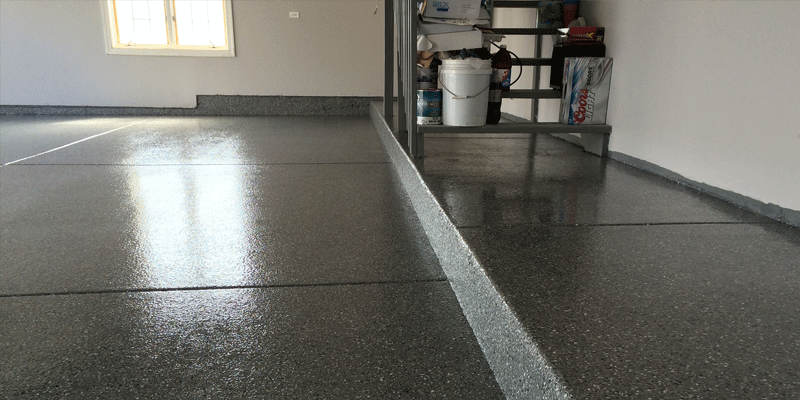
Flake systems offer texture, slip resistance, and visual flair. Colored vinyl flakes are broadcast into the basecoat, creating a granite-like finish that is both stylish and practical.
Metallic Epoxy for Showroom Effects
Metallic epoxy creates mesmerizing, fluid-like patterns. Its depth and shimmer mimic marble, swirling water, or molten metal—ideal for transforming the garage into a showroom-grade environment.
Quartz Flooring for Extreme Durability
Quartz systems incorporate colored sand granules to boost traction and strength. This is one of the most resilient options and is ideal for garages that experience heavy-duty usage.
The Multi-Step Installation Process
Concrete Profiling and Repair
The surface must be prepared meticulously. Contractors grind the concrete using industrial diamond tooling to open the pores and remove contaminants. Cracks, pits, and imperfections are then repaired to ensure a flawless substrate.
Primer and Basecoat Application
A high-adhesion primer penetrates deep into the concrete. Next, a pigmented basecoat establishes foundation color and ensures even coverage.
Decorative Layer and Color Effects
Depending on the chosen style, flakes, metallic pigments, or quartz blends are added. These materials create the floor’s distinctive visual texture.
Topcoat for Gloss, Protection, and Longevity
The final polyurethane or polyaspartic topcoat seals the surface. This top layer provides UV resistance, chemical protection, and long-lasting clarity, ensuring years of reliable performance.
Why Garage Floors Fail Without Epoxy
Moisture Intrusion and Concrete Dusting
Bare concrete absorbs moisture, leading to spalling, cracking, and dusting. Epoxy prevents moisture from infiltrating the slab, stopping deterioration at the source.
Delamination and Surface Cracking
Uncoated concrete shifts with temperature changes. Over time, this movement causes cracks. Epoxy’s reinforced layer helps stabilize the surface and prevents small cracks from expanding.
UV Exposure and Surface Wear
Sunlight entering through garage doors causes fading and surface breakdown. Epoxy’s UV-resistant topcoats combat this degradation, ensuring the floor remains vibrant and strong.
Epoxy Flooring vs. Other Garage Flooring Options
Epoxy vs. Polyaspartic Coatings
Polyaspartic cures faster and performs well in extreme temperatures, but epoxy offers superior build thickness and cost-effectiveness. Many homeowners choose hybrid systems for optimal performance.
Epoxy vs. Garage Tiles
Tiles shift, crack, and trap dirt. Epoxy provides a seamless, easy-to-clean surface with unmatched durability.
Epoxy vs. Painted Concrete
Paint peels. Epoxy does not. The difference in longevity between the two is significant—epoxy can last decades, while paint often fails within a year.
Performance in Harsh Weather Conditions
Withstanding Cold Winters and Freeze–Thaw Cycles
Garage floors experience dramatic temperature changes. Epoxy remains stable, holding strong against expansion and contraction cycles.
Protection from Road Salt and Winter Slush
Road salt eats away at bare concrete. Epoxy shields the slab from corrosive winter chemicals that typically cause pitting and scaling.
Heat and Humidity Resistance in Summer
Even under intense summer humidity or heat, epoxy maintains its structural integrity and appearance.
Maintenance and Longevity
Simple Cleaning Practices
A broom, mop, and mild cleaner are typically all that’s needed. The smooth surface prevents debris from embedding and makes routine upkeep effortless.
Preventive Care for Extended Life
Using soft pads under heavy equipment, avoiding harsh chemicals, and cleaning spills promptly extend the coating’s lifespan.
When to Consider Recoating
Most epoxy floors last 10–20 years before needing a refreshed topcoat, depending on usage and care.
Safety Advantages of Epoxy Coatings
Slip Resistance and Traction Options
Anti-slip additives such as quartz or traction grit can be incorporated to improve safety—especially useful in wet or snowy conditions.
Enhanced Lighting Through Reflective Surfaces
Epoxy brightens the garage by reflecting natural and artificial light, reducing the need for additional lighting and improving visibility.
Cost Considerations
Factors That Affect Pricing
Cost varies based on square footage, concrete condition, design complexity, and the materials used. Decorative systems and metallic finishes typically cost more due to added labor and materials.
Long-Term Value vs. Traditional Flooring
Epoxy may cost more upfront but saves money by preventing concrete damage, reducing maintenance, and lasting significantly longer than temporary solutions.
A Garage Transformation That Lasts
Premium epoxy floor coatings elevate the garage from a utilitarian storage area to a functional, polished, and durable extension of the home. Strength meets style, creating a surface built for daily use and long-term resilience.
Why Premium Epoxy Remains the Top Upgrade Choice
Few improvements offer the same blend of aesthetics, durability, and practicality. Epoxy coatings provide lasting value, transforming the garage into a cleaner, brighter, and more refined environment—one that stands up effortlessly to the demands of modern living.

Why Basement Epoxy Flooring Is the Ultimate Finished Basement Choice
The Modern Finished Basement Trend Finished basements have become essential living extensions of the home. No longer dark, unused storage zones, they now serve as entertainment spaces, gyms, guest suites, studios, and recreational hubs. As basements evolve into...

Why Concrete Polishing Is the Smart Choice for Long-Lasting Floors
The Growing Demand for Polished Concrete Floors Across residential, commercial, and industrial environments, polished concrete has surged in popularity. Homeowners and facility operators increasingly value surfaces that endure heavy use without losing their visual...

Metallic Epoxy Flooring in Naperville: Stunning Designs & Durable Solutions for Modern Homes
The Rise of Metallic Epoxy Flooring in Naperville Naperville homeowners are increasingly turning to metallic epoxy flooring to elevate the visual and functional appeal of their modern living spaces. This flooring style brings together high-end design aesthetics and...

How to Choose the Best Pool Deck Resurfacing Option for Chicago’s Weather
Why Pool Deck Resurfacing Matters in Chicago A pool deck is more than decorative edging around your swimming area. It’s a structural surface that absorbs impact, endures constant moisture, and withstands dramatic temperature swings year-round. In a climate like...
10 Reasons to Choose a Concrete Micro Topping in 2023
Are your concrete floors starting to show their age? If so, you may want to consider a concrete micro topping in 2023. Concrete micro toppings are thin coatings specifically designed to provide an aesthetically pleasing finish and help protect the underlying concrete...