
Decorative Concrete: An Overview
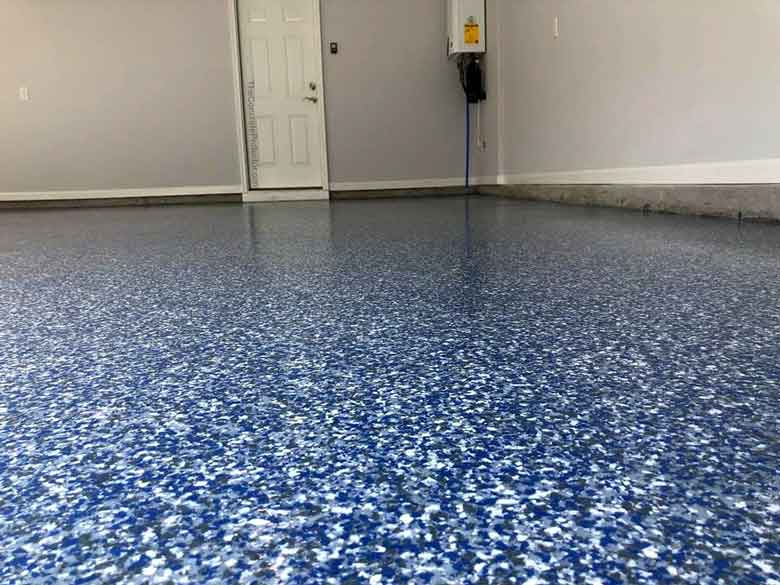
Decorative concrete refers to several types of concrete flooring. Concrete has been used as a building material for hundreds of years. Over time, many different techniques have been developed to transform these gray slabs into colored and textured surfaces. In this article, we’ll take a closer look at decorative concrete and its various applications.
What is Decorative Concrete?
In short, decorative concrete is a concrete surface that has been modified or colored for aesthetic purposes. This can include designs stamped into the concrete’s surface, coloring, and designs cut into the concrete.
According to Home Stratosphere, the first instances of decorative concrete come from ancient Rome, such as decorative concrete pillars, bridges, and major structures like the Colosseum. Today, there are many more forms of decorative concrete as techniques have adapted and newer technologies invented.
Types of Decorative Concrete
Polished Concrete
Polished concrete is a simpler type of decorative concrete that simply involves polishing the concrete to a glossy finish. The process entails rough grinding the concrete first to prep it for an impregnating sealer that strengthens and densifies the concrete. Next, the concrete is polished to the desired level of sheen. The concrete polishing process brings many different benefits to concrete floors, such as increased durability, chemical and water resistance, reduced maintenance, and increased lifespan.
Stained Concrete
Concrete staining is one of the most cost-efficient styles of decorative concrete. There are two types of concrete stains, acid-based and water-based stains. Acid concrete stains react with the concrete chemically to impart permanent color. These stains are only available in earth tones, such as brown, tan, blue, and green. Water concrete stains permeate the concrete’s surface to allow the color to soak into the concrete, leaving permanent color. These stains are available in a wider array of vibrant colors. Acid-based concrete stains are somewhat more unpredictable than water-based stains. However, many concrete contractors take advantage of this property to create unique designs and colors.
Colored Concrete
Colored concrete typically refers to integral coloring. According to the Portland Cement Association, integral coloring can come in a dry, liquid, or granular form. It’s infused into new concrete as it’s being mixed to create color throughout the slab. Colored concrete can be combined with practically every other type of decorative concrete to create unique and realistic looks. Integral coloring is available in many different colors and shades to allow users to match a wide variety of design schemes.
Stamped Concrete
Stamped concrete can apply to new concrete and concrete overlays. This process involves applying a specialized concrete stamp to new concrete or a concrete overlay to create a texture on the concrete’s surface. These stamps are available in many different textures, including natural stone, cobblestone, brick, wood, and more. Many people combine stamped concrete with concrete stains and integral coloring to create a more realistic look. When done properly by a professional, many stamped concrete surfaces are nearly indistinguishable from the genuine material.
Concrete Stenciling and Scoring
Concrete stenciling and scoring techniques are a more affordable decorative concrete technique to achieve similar results to stamped concrete. These techniques are usually used on existing concrete when a concrete overlay isn’t needed or cannot be applied. Concrete stenciling involves using a stencil of a chosen pattern combined with concrete stains to apply a pattern to a concrete floor with various colors. Concrete stencils can be made in a myriad of patterns that fit various design schemes. Concrete scoring involves cutting a design into the concrete floor with specialized tools. A pattern is laid out on the floor and is then cut into the concrete. In most cases, this technique is also combined with stains to create a more realistic look for the chosen pattern.
Decorative Concrete Applications
Decorative concrete is used in many different applications, specifically flooring. Many home and business owners use this style of concrete for both indoor and outdoor applications. Below, you can see the most popular applications for decorative concrete.
Residential Decorative Concrete
Decorative concrete has found many uses in residential locations, both indoors and out. Below are the most common residential applications for decorative concrete.
- Garages
- Basements
- Patios
- Pool Decks
- Driveways
- Walkways
Commercial Decorative Concrete
Many business owners utilize decorative concrete to make their businesses more inviting, professional, and comfortable for employees and customers. Below, you can see the most popular commercial applications for decorative concrete:
- Commercial Pool Decks
- Patios
- Sidewalks
- Entranceways
- Lobbies
- Parking Areas
Concrete Resurfacing
Many decorative concrete applications involve resurfacing existing concrete, such as with pool deck resurfacing. This service is known to be an affordable alternative to removing and replacing existing, worn concrete. The process entails repairing any concrete damage, prepping the concrete for the resurfacing material, and then applying the chosen resurfacing material. Concrete resurfacing can be accomplished with many different mediums, including smooth concrete overlays, stamped concrete overlays, acrylic coatings, and more. Decorative concrete options are considered to be among the most popular choices for concrete resurfacing. Many home and business owners also choose to resurface their concrete surfaces just to change the look rather than out of necessity.
The Benefits of Decorative Concrete
Design Variety
One of the most recognized benefits of decorative concrete is the variety in designs. These surfaces can replicate high-end materials, incorporate a broad spectrum of colors, and be made into completely custom designs. This variety allows home and business owners to create looks that match their home or business décor or architecture, creating a smooth, complete appearance.
Versatility
As concrete is now being used indoors almost as much as outdoors, decorative concrete is a versatile flooring system that can be used nearly anywhere. These surfaces can be used in patios, pool decks, walkways, entryways, driveways, indoor flooring, and more. This allows home and business owners to seamlessly incorporate this flooring material throughout their spaces.
Durability
Concrete itself is a strong flooring material. Decorative concrete is often preferred in place of traditional materials due to its durability. These floors can withstand various damaging effects from impacts, scratching, and high volumes of foot and vehicle traffic. This allows decorative concrete to be used in various settings without the worry of it being significantly damaged by everyday use.
Affordability
Compared to the cost of genuine high-end materials, decorative concrete is much more affordable. Whether stamped concrete, stained concrete, concrete stenciling, or concrete scoring is being used, the price is typically around half of what would be spent on authentic materials, such as stone, brick, or hardwood. Decorative concrete also makes an affordable choice compared to the cost of tearing out and replacing a damaged or worn concrete surface.
Environmentally-Friendliness
When it comes to environmentally-friendly options, decorative concrete is among the best options. This is because waste is kept to a minimum during installation, and these surfaces are designed to last for decades. When most flooring materials are installed, they’re cut to fit, resulting in wasted material that’s thrown away. With decorative concrete, either an overlay is being applied over the concrete, a design is cut, stenciled, or colored onto the concrete, or the concrete is polished to a glossy finish. All of these options result in little to no waste, making decorative concrete an environmentally-friendly choice.
The Cost of Decorative Concrete
The cost of decorative concrete can vary greatly, depending on the type of decorative concrete being used, size of the space, and complexity of the pattern. The most influential factor is the type of decorative concrete that’s used. According to Concrete Contractors.org, stamped concrete and stamped concrete overlays typically range from $8 to $20 per square foot. If stained concrete is used, it will usually cost roughly $2 to $5 per square foot. When choosing polished concrete, the price will be between $3 and $12 per square foot, in most cases. If integral coloring, concrete stenciling, or concrete scoring techniques are implemented, the price should be expected to be toward the higher end of each estimated range.
Decorative Concrete Maintenance
Maintaining decorative concrete is a straightforward process that most home and business owners can complete promptly. When maintaining an indoor decorative concrete floor, dust mop daily to remove dirt, dust, and grit from the surface. Dry dust mops generate static electricity that helps lift debris from the concrete’s surface. Indoor decorative concrete floors should be wet mopped weekly with a pH-neutral floor cleaner to remove any soiling. As spills and accidents happen, spot mopping should be performed to reduce the chance of staining.
When maintaining outdoor decorative concrete, sweep off the concrete with a broom daily to prevent organic debris and dirt from settling on the surface and staining it. Depending on the traffic the outdoor concrete receives, it should be washed either weekly or monthly with a pH-neutral cleaner. Rinse off any debris with a garden hose, apply the cleaner with a push broom, let it sit for a few minutes, and rinse the surface with the water hose.
All decorative concrete, except polished concrete, should be sealed occasionally. This depends on the type of sealer being used and the amount of use the concrete sees. According to V-Seal, acrylic concrete sealers should be reapplied every 1 to 3 years. Urethane sealers should be reapplied every 5 to 10 years. Polished concrete does not require any type of sealer, wax, or other topical coatings to protect it or keep its shine.

Why Basement Epoxy Flooring Is the Ultimate Finished Basement Choice
The Modern Finished Basement Trend Finished basements have become essential living extensions of the home. No longer dark, unused storage zones, they now serve as entertainment spaces, gyms, guest suites, studios, and recreational hubs. As basements evolve into...

Transform Your Garage with Premium Epoxy Floor Coatings
Why Garages Deserve Better Flooring The garage has evolved from a simple storage space into a multifunctional environment. Today, it serves as a workshop, gym, hobby studio, and even an extension of the home's entryway. Yet many garages still rely on bare concrete...

Why Concrete Polishing Is the Smart Choice for Long-Lasting Floors
The Growing Demand for Polished Concrete Floors Across residential, commercial, and industrial environments, polished concrete has surged in popularity. Homeowners and facility operators increasingly value surfaces that endure heavy use without losing their visual...

Metallic Epoxy Flooring in Naperville: Stunning Designs & Durable Solutions for Modern Homes
The Rise of Metallic Epoxy Flooring in Naperville Naperville homeowners are increasingly turning to metallic epoxy flooring to elevate the visual and functional appeal of their modern living spaces. This flooring style brings together high-end design aesthetics and...

How to Choose the Best Pool Deck Resurfacing Option for Chicago’s Weather
Why Pool Deck Resurfacing Matters in Chicago A pool deck is more than decorative edging around your swimming area. It’s a structural surface that absorbs impact, endures constant moisture, and withstands dramatic temperature swings year-round. In a climate like...