
Your 2021 Guide to Polished Concrete
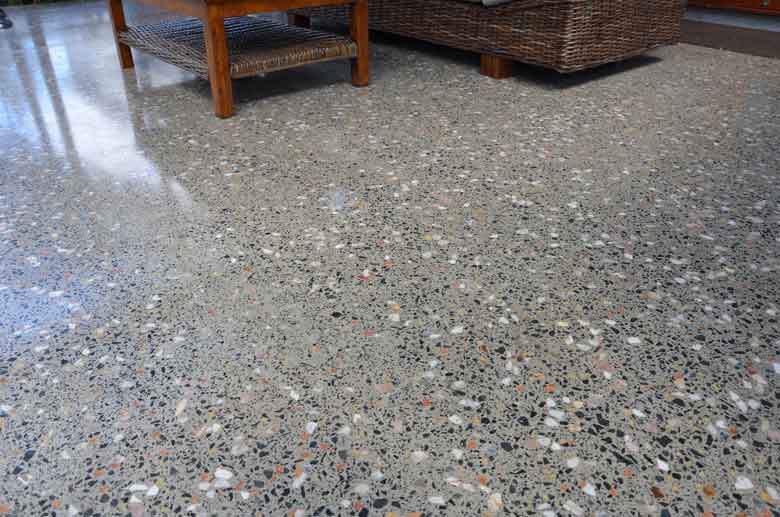
What is Polished Concrete?
Polished concrete is a concrete flooring style that has gained popularity in various settings, from commercial to industrial to residential applications. This flooring style is achieved through concrete polishing, which involves mechanically polishing a standard concrete floor to a glossy finish. According to Floor Critics, this process is known to increase concrete’s durability and resilience. Polished concrete floors can still be customized like ordinary concrete floors, with various coloring options and patterns.
Polished Concrete Applications
As we’ve mentioned, polished concrete is frequently used in many different locations. In 2019, polished concrete made up between 15% and 20% of all flooring installations. Below, we’ll take a look at some of the most common applications for polished concrete.
Residential Concrete Polishing
There are many different ways that homeowners have found to utilize this concrete flooring system to their benefit. These floors make durable, easy-to-clean solutions that have made them so popular in the residential market.
Garage Flooring: Polished concrete is most commonly used in the garage for residential applications. This flooring system can handle the various car chemicals common to garages, such as gas, oil, and grease, without being damaged or easily stained. Not to mention, it can withstand the various impacts, scrapes, scratches, and daily foot and vehicle traffic.
Basement Flooring: Another common residential location to find polished concrete is in the basement. The polishing process makes the concrete non-permeable, so it can resist spills and other moisture that basements frequently deal with. Many homeowners choose polished concrete for basement flooring, thanks to its versatility as well. As basements are often converted into other room types, such as a lounge, extra bedroom, or home gym, polished concrete affords the versatility to fit any of these room types functionally and aesthetically.
Kitchen Flooring: Polished concrete is known for its low maintenance requirements and resistance to liquids. This is why many homeowners are using this flooring system in the kitchen. The non-porous, easy-to-clean surface can be customized to fit the home’s decor while providing a tough floor that doesn’t require much maintenance.
These are some of the most common choices for residential polished concrete. However, this flooring system can be used in any room in the home with a suitable concrete foundation.
Commercial Concrete Polishing
Polished concrete has been a staple flooring system for commercial businesses for years now. These floors can be seen everywhere, from shops to salons. Below, you can see the various commercial applications for concrete polishing.
Retail Stores: These locations deal with a near-constant flow of foot traffic from customers and employees. Retail stores also support the weight of tons of various products. Polished concrete is a popular choice as it can support that weight as well as withstand the foot traffic from these spaces.
Hotels: Hotels have found a use for polished concrete in their lobbies. This flooring system can be combined with various coloring techniques to produce high-end looks that mimic marble or granite floors for a more affordable install price.
Healthcare Facilities: Many healthcare facilities have switched to polished concrete as it offers a smooth, durable finish that aids in keeping these sensitive areas clean and sanitary.
Industrial Concrete Polishing
Polished concrete has also found a home in industrial facilities. Many other spaces utilize this surface for its aesthetics. However, industrial facilities choose polished concrete for its durability and resistant properties. Below are some common industrial applications for polished concrete.
Factories: Concrete has been the most common factory flooring choice for decades. However, many factories have transitioned to polished concrete as it strengthens the floor and makes its surface more resistant to liquids.
Manufacturing Plants: As with factories, concrete has been commonplace in manufacturing plants for years. Polishing these concrete floors has given these plants a longer-lasting surface that can support the amount of work these extensive facilities do.
Warehouses: Polished concrete has made its way into warehouses as it can support the cumbersome load of all the products these spaces store and the frequent foot and vehicle traffic they experience.
Polished Concrete Customization Options
Polished concrete can be customized using several techniques. It’s a common misconception that polished concrete is limited to a traditional gray finish. Below are the various customization options for polished concrete.
Residential Epoxy Flooring
According to For Construction Pros, there are two types of concrete stains best-suited for polished concrete: acid-based stains and water-based stains. Acid concrete stains react with the floor chemically to impart permanent color. These stains are available primarily in earth tones, such as brown, tan, green, and blue. Water concrete stains permeate the concrete to leave permanent color. These stains are available in a wider variety of vibrant colors. Typically, water-based stains offer more predictable colors, while acid-based stains should be tested on a small corner of the concrete to see how it will react with that particular floor. Acid stains also offer more unique finishes, such as mottled effects and marbleized patterns.
Concrete Scoring
Concrete scoring involves using tools, such as concrete saws, to cut designs into concrete floors. This technique can be combined with concrete stains to create colorful, textured designs. Concrete scoring is usually much more customizable as free-hand designs can be cut into the floor.
The Benefits of Polished Concrete
Eliminates Dusting
In standard concrete, hydrostatic pressure causes small salt and dust particles to be pushed up to the surface, resulting in efflorescence. This means that most concrete floors deal with a significant amount of concrete dust forming on the floor’s surface daily, which can cut into maintenance costs and more. Polished concrete eliminates this dusting, which lowers maintenance costs, maintenance time, and creates a cleaner environment.
Increased Resistance
The concrete polishing process makes a concrete floor’s surface non-porous, meaning liquids will not soak into it as easily as standard concrete or other flooring materials. As a result, this makes polished concrete highly resistant to various chemicals and water. This resistance reduces liquid-caused damage and staining.
Enhanced Durability
When concrete is polished, the concrete is made more robust from the inside out due to the impregnating sealer that’s used. This causes polished concrete to be more durable. This enhanced durability allows it to withstand more wear and tear, such as impacts, scrapes, and high volumes of foot and vehicle traffic, without being significantly damaged.
Improved Reflectivity
Polished concrete has a high-gloss finish that easily reflects natural and ambient light. This reflectivity can make spaces safer with improved visibility and cut down on utility costs as fewer lights can be utilized to achieve the same visibility. This means that home and business owners can save money and make their spaces more environmentally friendly by using this floor’s reflective nature.
Ease of Maintenance
Polished concrete has a smooth surface that makes maintenance easier and faster than unpolished concrete or many other conventional flooring systems. This flooring system’s upkeep only requires minimal tools, products, and effort, saving home and business owners money and time by reducing maintenance needs.
Eco-Friendly Flooring
According to the Eneref Institute, polished concrete is a remarkably eco-friendly flooring solution. These floors are made by utilizing the existing concrete, reducing materials and waste. This means that polished concrete produces little to no waste compared to most other flooring systems. Polished concrete is also free of Volatile Organic Compounds (VOCs), making them a safe, eco-friendly choice.
The Concrete Polishing Process
Concrete polishing should always be performed by a licensed professional for the best results. If a concrete floor is polished by an inexperienced person, it could lead to the floor being compromised, resulting in damage and expensive repairs.
Cleaning, Inspection, and Repairs
The first step in polishing concrete is to clean and inspect the concrete for damage. Any damage that’s discovered, such as cracking, chipping, or flaking, will need to be repaired. Repairs are usually made with an injectable epoxy filler for cracks and a powdered concrete patch for chipping or flaking areas.
Rough Grinding
Rough grinding the concrete is the next step in the process. Rough grinding is used to prep the floor for the final smoothing. Typically, this is done using a floor grinder fitted with a coarse, diamond grinding wheel. The diamond wheel is coarse enough to remove any minor blemishes, such as pits or dents. Rough grinding is a three to four-step process in most cases, depending on the concrete’s state. The rough grinding usually starts with a 30-grit wheel and moves progressively to a 150-grit wheel to finish up.
Sealing the Floor
Once the rough grind is finished, an internal impregnating sealer should be applied. This sealer soaks into the freshly ground concrete to protect it from the inside out. The sealer also strengthens and densifies the floor, eliminating the need for topical sealers, coatings, or waxes.
Fine Grinding
After the sealer is in place, the fine grinding can take place. This is the final part of the process and involves using ever-finer grit resin-bond diamond wheels until the desired sheen level has been reached. This usually takes around four to five passes to complete. On average, the fine grinding starts with a 100 or 200-grit wheel and progresses ever finer to a 1,500-grit or higher wheel, depending on the desired sheen level. Once the fine grinding is completed, and any residual dust or debris is cleaned off, the polished concrete floor is ready for full use.
Polished Concrete Costs
The cost of a polished concrete floor can vary drastically, depending on several factors. These factors include the condition of the concrete, design complexity, floor size, and desired sheen level. According to Home Advisor, a basic polished concrete floor will usually cost between $3 and $8 per square foot. This price can include some simple design elements, such as stains or simplistic patterns. More complex, polished concrete floors, or floors with a lot of pre-existing damage, can cost upwards of $15 to $30 per square foot. This price range is more dependant on those floors that incorporate complex, multi-colored patterns, higher sheen levels, and more extensive repairs.
Polished Concrete Maintenance
Maintaining a polished concrete floor is normally a quick and easy process. These floors do not require any time-consuming or expensive practices to keep them clean. Below, you can see a typical polished concrete maintenance routine:
Sweep or Dust Mop Daily
Polished concrete floors should be swept with a soft-bristled broom or dust mopped with a micro-fiber pad daily to remove dirt and debris from the floor’s surface. If dirt and grit are left to sit on the floor, they can affect the concrete’s polished finish and clarity. Soft-bristled brooms are ideal for smaller spaces, such as a garage or basement. Dust mops are the preferred choice for larger areas, such as factory floors or retail stores.
Wet Mop Weekly
Polished concrete should be wet mopped with a pH-neutral floor cleaner at least once a week or whenever the floor becomes soiled. A traditional mop and bucket can be used for smaller areas, while an automatic floor scrubber with a non-abrasive pad is preferred for larger areas. Avoid using soapy detergents or citrus-based cleaners as they can dull the floor’s finish.
Polished Concrete Maintenance Tips
High-traffic areas will likely need sweeping and mopping more frequently.
Clean spills as soon as they happen to further reduce the likelihood of the floor absorbing them.
Mop larger floors in small sections to avoid letting the floor cleaner dry on the concrete.
Allow the pH-neutral floor cleaner enough time to begin breaking down the dirt and grime on soiled floors.

Why Basement Epoxy Flooring Is the Ultimate Finished Basement Choice
The Modern Finished Basement Trend Finished basements have become essential living extensions of the home. No longer dark, unused storage zones, they now serve as entertainment spaces, gyms, guest suites, studios, and recreational hubs. As basements evolve into...

Transform Your Garage with Premium Epoxy Floor Coatings
Why Garages Deserve Better Flooring The garage has evolved from a simple storage space into a multifunctional environment. Today, it serves as a workshop, gym, hobby studio, and even an extension of the home's entryway. Yet many garages still rely on bare concrete...

Why Concrete Polishing Is the Smart Choice for Long-Lasting Floors
The Growing Demand for Polished Concrete Floors Across residential, commercial, and industrial environments, polished concrete has surged in popularity. Homeowners and facility operators increasingly value surfaces that endure heavy use without losing their visual...

Metallic Epoxy Flooring in Naperville: Stunning Designs & Durable Solutions for Modern Homes
The Rise of Metallic Epoxy Flooring in Naperville Naperville homeowners are increasingly turning to metallic epoxy flooring to elevate the visual and functional appeal of their modern living spaces. This flooring style brings together high-end design aesthetics and...

How to Choose the Best Pool Deck Resurfacing Option for Chicago’s Weather
Why Pool Deck Resurfacing Matters in Chicago A pool deck is more than decorative edging around your swimming area. It’s a structural surface that absorbs impact, endures constant moisture, and withstands dramatic temperature swings year-round. In a climate like...